
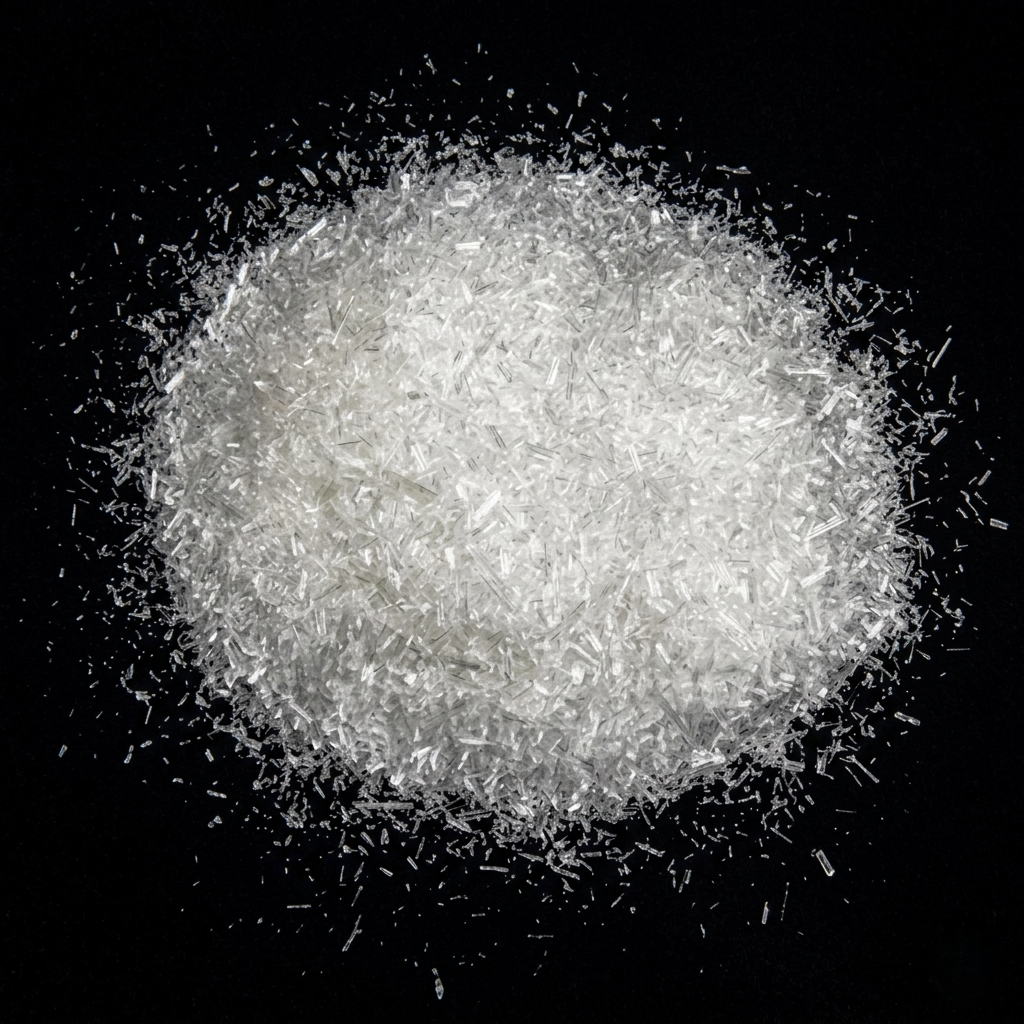
Ketamine Crystals
Pure Ketamine Crystal (Type S): Uses, Therapeutic Benefits, and TGA Guidelines
Pure Ketamine Crystal Type S is a highly potent dissociative anesthetic gaining global recognition for its fast-acting, breakthrough applications in mental health and pain management. Historically known in social circles as a recreational substance, rigorous clinical research has shifted the focus to its extraordinary potential as a novel therapy for treatment-resistant depression (TRD).
In Australia, Ketamine is classified as a Schedule 8 (S8) Controlled Drug. This status guarantees that medical use is strictly monitored under the guidelines of the Therapeutic Goods Administration (TGA) and administered exclusively by registered healthcare specialists.
How Ketamine Works: The Science of Rapid Relief:
Standard antidepressants often take weeks to show results, but Ketamine is celebrated for its rapid therapeutic window. Clinical trials, including foundational data from the National Institute of Mental Health (NIMH), demonstrate significant mood improvement within hours of administration.
While researchers continue to map its exact pathways, evidence suggests that Ketamine works by:
- Blocking NMDA receptors in the brain.
- Repairing damaged synaptic pathways caused by chronic stress.
- Promoting new neural connections (synaptogenesis) to restore cognitive resilience.
Therapeutic Benefits and Clinical Applications
Under the supervision of qualified Australian psychiatrists or pain specialists, Ketamine is utilized for several major health conditions:
- Treatment-Resistant Depression (TRD): Multiple Australian and international studies show a robust, immediate antidepressant response in individuals who have failed to improve using traditional options.
- Chronic Pain Management: Ketamine infusions or low-dose lozenges help block severe neuropathic pain pathways, offering alternative relief without the high addiction risks associated with standard opioids.
- Anxiety Disorders: Emerging research highlights fast-acting, anxiety-reducing properties that assist in breaking severe, acute cycles of anxiety.
- Post-Traumatic Stress Disorder (PTSD): Preliminary psychiatric data indicates that Ketamine assisted-protocols can significantly reduce the severity of intrusive PTSD symptoms.
Understanding the Effects and Dosage Thresholds
The physiological and psychological effects of Ketamine are highly dependent on the dosage administered:
| Dosage Level | Common Physiological & Mental Effects |
|---|---|
| Low Doses (Clinical Pain Management) | Mild reduction in physical sensitivity, light tingling sensations, brief dizziness, and a sense of relaxation. |
| Moderate Doses (Therapeutic Range) | Subdued visual alterations, enhanced sensory appreciation, introspection, and temporary blurred vision. |
| High Doses (Anesthetic Levels) | Pronounced sensory dissociation, vivid internal imagery, temporary distortion of time and self-awareness, and out-of-body phenomena. |
Potential Adverse Side Effects
As a powerful controlled substance, unmonitored or high-frequency use may cause side effects. These include short-term nausea, temporary memory gaps, elevated heart rate, paranoia, or a feeling of depersonalization. Long-term misuse can also result in localized toxicity within the urinary and gastrointestinal tracts.
Legal Status and Access in Australia
To ensure patient safety, Ketamine is heavily regulated across all Australian states and territories. Prescriptions for mental health or chronic pain require authorization from state health branches and must be administered in a secure clinic environment equipped with professional monitoring systems.
Consulting with a registered healthcare professional is necessary to understand clinical criteria, TGA updates, and structured treatment programs.
To optimize this further for a specific professional context, consider whether the primary goal is providing B2B information for medical professionals or educational resources for clinical patients. The focus can be adjusted to emphasize specific applications like depression or chronic pain in alignment with AHPRA advertising guidelines.



Reviews
There are no reviews yet.