
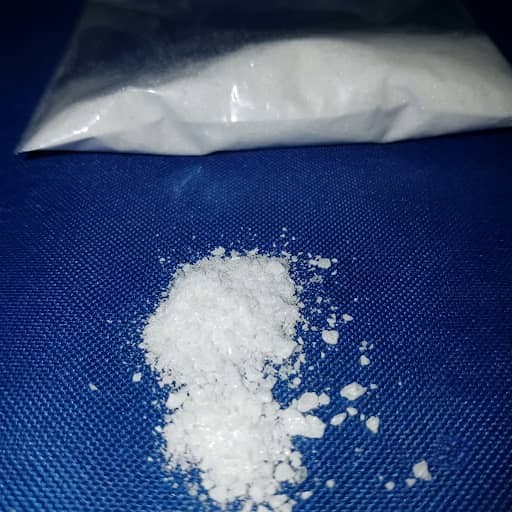
Ketamine is a synthetic compound primarily classified as a dissociative anesthetic. Developed in 1962 as a safer alternative to phencyclidine (PCP), it has been widely used in both human and veterinary medicine since receiving US FDA approval in 1970. In contemporary healthcare, ketamine serves multiple distinct clinical roles, ranging from emergency anesthesia to targeted psychiatric intervention and specialized pain management.
Pharmacological Action and Mechanisms:
Unlike traditional anesthetics that suppress the central nervous system, ketamine induces a state of “dissociative anesthesia”. It achieves this primarily by acting as a non-competitive antagonist at the N-methyl-D-aspartate (NMDA) receptor in the brain.
By blocking these receptors, ketamine interrupts the transmission of glutamate, a major excitatory neurotransmitter. This action disrupts communication between the conscious mind (the cerebral cortex) and sensory perception systems (the limbic system). The result is a profound state of sedation, pain relief, and amnesia, while vital functions like cardiovascular stability and protective airway reflexes are typically maintained.
Evolving Clinical Applications
While initially utilized strictly in surgical settings, medical research has broadened the clinical landscape for ketamine:
-
- Anesthesia and Sedation: It remains a critical tool for short surgical procedures, pediatric interventions, and emergency trauma medicine due to its ability to maintain blood pressure and breathing rates compared to other sedatives.
- Treatment-Resistant Depression (TRD): In recent years, low-dose sub-anesthetic infusions and specific formulations (such as esketamine nasal spray) have been utilized under strict clinical supervision. Studies indicate that ketamine can rapidly stimulate synaptogenesis—the growth of new neural connections—providing rapid relief for severe depressive symptoms when standard medications have failed.
- Chronic and Neuropathic Pain: Ketamine is sometimes administered in sub-anesthetic doses to manage complex regional pain syndrome (CRPS), severe burn pain, or cancer-related pain that does not respond to opioid treatments.
Regulatory Status and Safety Profiles
Due to its potent psychoactive properties, ketamine is heavily regulated globally. In most jurisdictions, it is classified as a controlled substance (e.g., Schedule III in the United States, Schedule 8 in Australia). Unauthorized possession, manufacturing, or distribution outside of licensed medical facilities is strictly prohibited and subject to severe legal penalties.
When misused or administered outside a monitored medical environment, ketamine poses serious acute and long-term health risks:
-
- Urological Toxicity: Prolonged or frequent misuse can lead to severe, irreversible damage to the urinary tract, a condition known as ketamine-induced cystitis, which causes ulceration, severe pain, and bladder restriction.
- Psychological Dependence and Tolerance: Regular non-medical use can lead to psychological addiction, cognitive decline, memory impairment, and persistent states of depersonalization or psychosis.
- Cardiovascular and Neurological Strain: Acute high doses can elevate heart rate and blood pressure significantly, increasing risks for individuals with underlying cardiac conditions.



Reviews
There are no reviews yet.